






Whoa, seriously, wow. I installed a Solana wallet extension last week to test the UX and security trade-offs. This felt different than the Ethereum extension experiences I’ve been used to. At first I assumed browser wallets would all feel the same, but then I started clicking through Phantom-style flows and discovered a lightweight, focused approach to onboarding that actually helps instead of confusing people. My instinct said the onboarding could be clearer in places, though.
Seriously, that’s true. Phantom has become the default pick for a lot of folks in the Solana space. It hooks into dApps almost seamlessly and the permission prompts are fairly readable. Initially I thought it might be fragile or bloated, but after watching someone restore a wallet and recover tokens and NFTs within minutes, I changed my mind about its reliability. There are trade-offs, naturally.
Hmm, that smelled off. Here’s what bugs me about some wallet extensions: they sometimes ask for broad approvals without explaining consequences. That lack of clarity invites mistakes and social-engineering attacks. On the other hand, extensions that surface network choices and show granular permissions help users avoid dumb errors, though the copy could be friendlier and less technical. I’m biased toward simple language.
Okay, check this out. Installation on Chromium-based browsers takes just a few clicks. It works on Chrome, Brave, Edge, and similar browsers without extra fuss. Because it’s a browser extension, you can interact with dApps directly on the page, but that convenience means you must watch domains and verify transactions before clicking approve, which I say a lot when I’m teaching people. Try a small test transaction first.
Watch out for phishing. Seed phrases remain the single biggest risk if mishandled. Write them down offline and store them somewhere safe and dry. If you paste your seed into a cloud note or an email, you’re basically handing over your wallet — attackers only need one breach to get everything. Cold storage is overkill sometimes, but for larger balances it’s worth the effort.
Heads up, folks. You should get the extension from trusted sources and verify what you download. The web is noisy and scammy; copycats pop up fast when demand increases. For a consistent, vetted place to reference the official installer I usually point people to a single, maintained resource that reduces confusion and helps avoid fake pages. When you grab an extension, double-check the publisher and reviews and don’t rush.
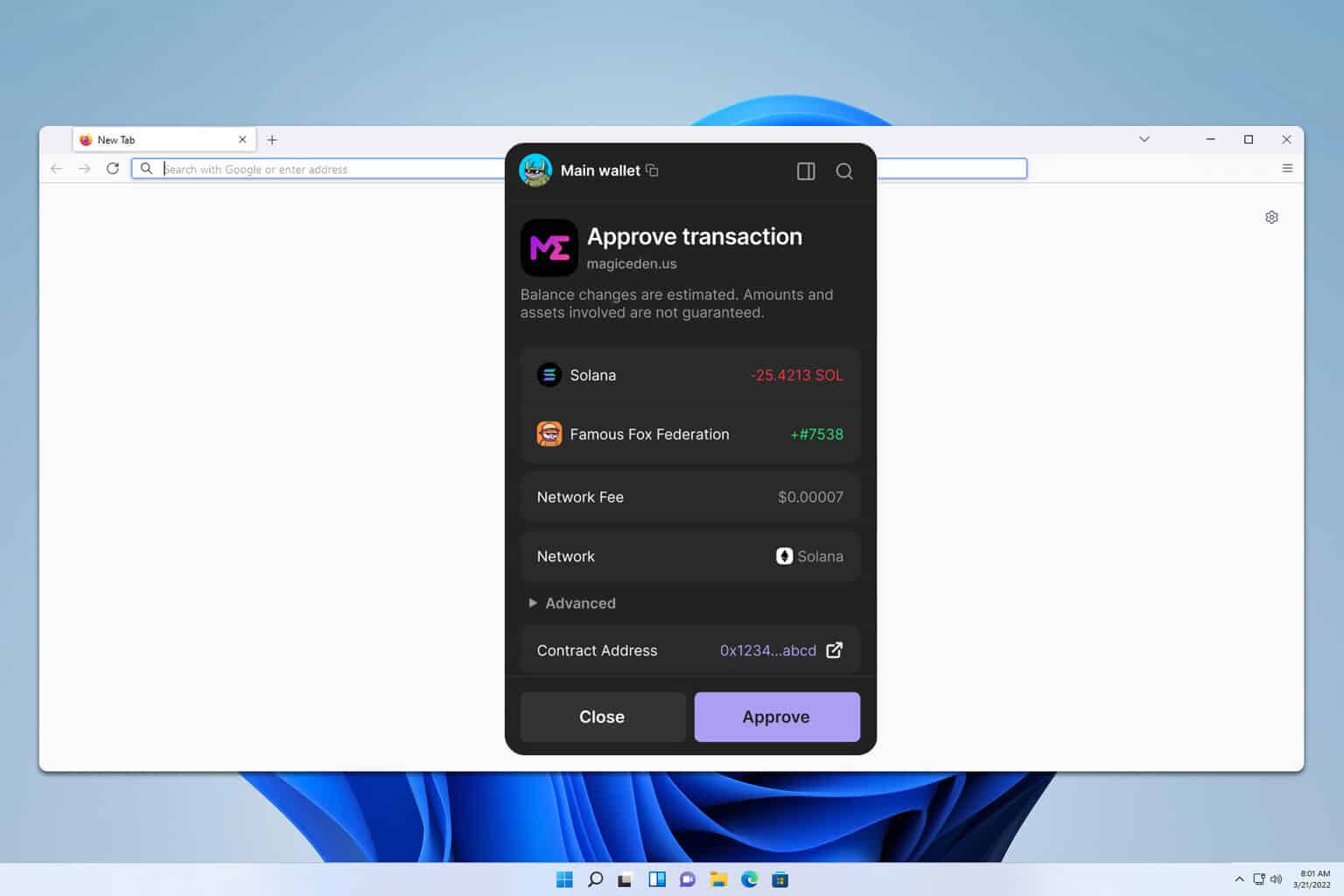
Where to download the extension
If you want a reliable starting point, here’s a place I use to point people for the official installer: phantom wallet. Use it when you’re on a trusted device and consider verifying the extension ID in the browser store too.
Do it cautiously. After installation, you can create a new wallet or restore an old one using your seed phrase. The UI walks you through backup, password creation, and optional hardware wallet pairing. If you pair a hardware wallet, your private keys never leave the device, which makes a big difference for security-conscious people who hold larger sums or rare NFTs. I paired mine with a hardware device and the flow was straightforward.
Pro tip for safety. Enable auto-lock and choose a strong extension password. Use different passwords for different services, because reuse kills security. Also check connected sites regularly and revoke permissions you no longer need; it’s a tiny habit with big payoff. Revoking excess permissions is quick and it prevents lingering approvals from being abused later.
I’m biased, full stop. I particularly like how some wallets handle NFTs and token swaps inside the extension. The in-wallet swaps are handy for small trades without jumping through extra hoops. Though actually, wait—let me rephrase that: while on-chain swap routing is fast and cheap for many trades, it can miss deeper liquidity that pro aggregators find, so for very large trades I compare routes and markets before confirming. Small, frequent swaps though are super convenient and cost-effective.
Look, here’s my point. The wallet you pick matters, but user habits matter more. A wallet is a tool — it won’t save you if you click a phishing link or back up the seed incorrectly. Initially I thought a single “best” wallet could fix most problems, but then I realized education and habits are the real safety net. So teach people to verify domains, read prompts slowly, and keep recovery material off the internet.
FAQ
Is a browser extension wallet safe?
Short answer: mostly, if you follow safety practices. Use official sources to install, enable auto-lock, store recovery phrases offline, and consider hardware wallets for serious holdings. I’m not 100% sure about anyone’s threat model, but these steps help significantly.
Can I use Phantom for NFTs and swaps?
Yes. Phantom supports NFTs and simple token swaps inside the wallet. For small trades it’s very convenient, but for larger orders check multiple liquidity sources first to minimize slippage.
What should I do after installing?
Do a tiny test transfer, back up your seed offline, set a strong password, and audit connected sites. If anything smells phishy, stop and double-check — somethin’ felt off to me once and that pause saved a friend from losing funds.